Welcome to our in-depth review of Extreme Roulette Live, a thrilling online casino game that promises an exciting and immersive gaming experience. With over 15 years of experience playing online casinos, I have gathered valuable insights and information to help you navigate the world of Extreme Roulette Live.
Introduction to Extreme Roulette Live
Extreme Roulette Live is a popular online casino game that offers players the chance to enjoy the excitement of live roulette from the comfort of their own home. The game is hosted by professional dealers in a live studio, providing an authentic casino experience in real-time.
Key Features of Extreme Roulette Live
Feature
Description
Live Dealers
Professional dealers host the game in real-time.
Variety of Bets
Players can place a wide range of bets, from straight recruitmentin.in bets to outside bets.
Multiple Camera Angles
Players can enjoy different camera angles to enhance their gaming experience.
Interactive Chat
Players can interact with the dealer and other players through a live chat feature.
Advantages of Playing Extreme Roulette Live
Real-time gaming experience with professional dealers
Interactive chat feature for social interaction
Multiple camera angles for an immersive gaming experience
Wide range of betting options for all types of players
Convenient access from desktop, mobile, and tablet devices
Top Online Casinos to Play Extreme Roulette Live
Online Casino
License
Territories
888 Casino
UK Gambling Commission
Global
LeoVegas
MGA
Europe
Casino.com
Gibraltar Gambling Commissioner
Canada, New Zealand
How to Play Extreme Roulette Live
To play Extreme Roulette Live, simply log in to your chosen online casino and navigate to the live casino section. Select the Extreme Roulette Live game and place your bets by clicking on the desired chip value and then on the corresponding bet area on the table. The dealer will spin the wheel and announce the winning number, providing an exciting and interactive gaming experience.
Playing on Different Devices
Device
Compatibility
Desktop
Optimized for play on desktop computers
Mobile
Responsive design for seamless gameplay on mobile devices
Tablet
Enjoy Extreme Roulette Live on your tablet for on-the-go gaming
Pros and Cons of Extreme Roulette Live
Pros
Cons
Authentic casino experience
May require a stable internet connection
Interactive chat feature
Higher minimum bets compared to traditional online roulette
Checking the Fairness of Extreme Roulette Live
Players may have concerns about the fairness of live casino games like Extreme Roulette Live. To ensure a fair gaming experience, follow these steps:
Choose a reputable online casino with a valid gaming license.
Check the game provider’s reputation and history of fairness.
Review player feedback and reviews for an unbiased perspective.
By following these steps, you can play Extreme Roulette Live with confidence and peace of mind.
Overall, Extreme Roulette Live offers an immersive and interactive gaming experience for players seeking the thrill of live casino games. With its professional dealers, multiple camera angles, and wide range of betting options, this game is sure to entertain and excite players of all experience levels. So, why not give Extreme Roulette Live a spin today and see if you have what it takes to beat the odds?
Z pewnością zastanawiałeś się kiedyś, jak wygląda rozgrywka w ruletkę online. W dzisiejszym artykule dowiesz się wszystkiego, co powinieneś wiedzieć o ruletce decyzji online – od zasad gry, przez korzyści i wady, aż po porady jak wygrywać. Wszystko to poradnik-ogolny.pl/ oparte jest na moich 15 latach doświadczenia (mais…)
When it comes to playing at online casinos, one of the most important aspects to consider is how you will manage your funds. E-wallets have become increasingly popular as a payment method for online gambling, offering players a convenient and secure way to deposit and withdraw funds. In this article, we will take an in-depth look at e-wallets for (mais…)
Willkommen zu unserem Expertenleitfaden für Casino Freispiele mit Support! Als langjähriger Spieler mit 15 Jahren Erfahrung in Online-Casinos habe ich umfangreiches Fachwissen gesammelt, das ich gerne mit Ihnen teilen möchte. In diesem Artikel werden wir alles über Casino Freispiele mit Support erfahren, einschließlich Spielanleitung, Vorteile und (mais…)
Rockstud versus Rockstud Spike: Which One Suits You
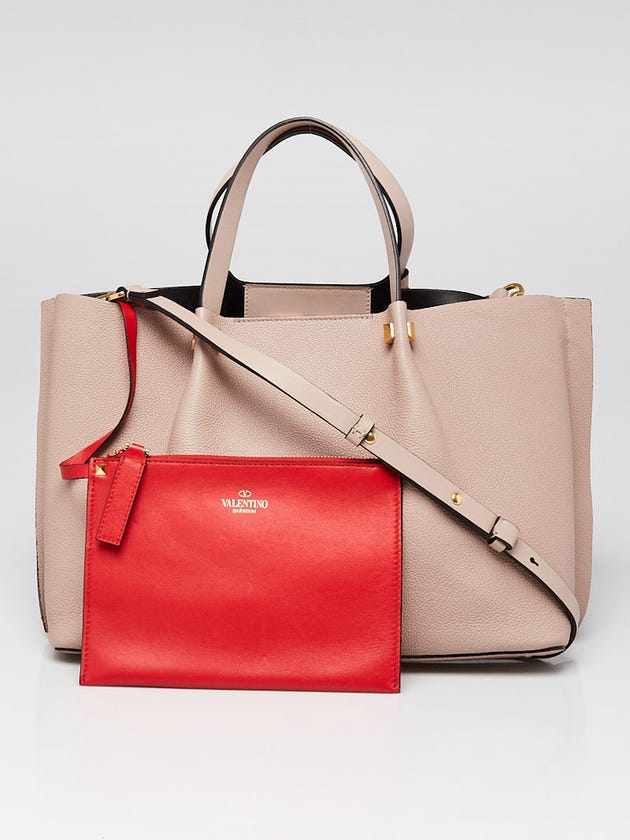
Two lines on the same shelf carry the same pyramid stud, and choosing between them costs somewhere between one thousand and two thousand dollars. The Rockstud and Rockstud Spike question, stated fairly, is that; small wonder so many buyers stall halfway through the decision. They look related because they are related, yet they behave differently in the hand, in the wardrobe and on the resale market. One line is for daylight and the other for evening, and the price gap between them is not cosmetic. The comparison sticks to what actually decides the outcome, which means what each costs at observed 2026 market prices, what materials each uses, what formats exist, and which survives contact with an ordinary week. Both lines remain in the brand’s own bag filters in September 2026, so everything below is drawn from what is currently live.
The same motif at two tiers
Take what unites them first, since that is why the comparison exists. Both are built around the flat pyramid stud that has become the most recognisable hardware in the house’s leather goods, and both are current rather than archival. The parting of the ways is tier. The entry and lower-middle band is held by Rockstud at $1,250 to $2,100 at observed 2026 market prices, with Rockstud Spike a full step above at $2,400 to $3,700. The gap is not about studs; it tracks a shift in materials, in size and in how dressed-up each line is asked to be. Cast Rockstud as the motif in daylight and Rockstud Spike as the motif in the evening, and the other differences mostly follow.
Where the stud began
Maria Grazia Chiuri and Pierpaolo Piccioli brought in the pyramid stud in Fall 2010, during their period as co-creative directors of the house. The motif’s proportions are explained once you know it began on footwear rather than handbags: the studs were designed to catch light on a curved surface before passing onto flat leather panels. The reference cited in the design is bugnato rustication, meaning the rough-cut stonework on Renaissance palazzo façades in Rome, apt for a house whose creative headquarters is Roman. The chronology gets muddled online, so it is worth shop tote bags stating plainly: the motif appeared three years after Valentino Garavani retired from design in 2007, the studs were never his work, and he died in January 2026 having had no ownership of the company since 1998. The year the Rockstud bag launched is repeated widely but rests on a single source, so treat any confident date with suspicion. Alessandro Michele has led creative direction since 2024, and both stud lines survived that transition intact.
Rockstud in 2026, the line that works for a living
Rockstud is the more practical and the broader of the two, standing at roughly fifty-two pieces observed live on the brand’s own site. Grainy calfskin anchors a palette that leans hard-wearing, with suede, raffia, laminated calfskin and pony-effect calfskin filling out the seasonal edges. Formats are the everyday ones, which is the real argument for this line. Reckon on $1,390 for a mini shopping tote in grainy calfskin or suede, $1,490 in raffia, $1,750 laminated and $1,850 in pony-effect. A small valentino crossbody bag in grainy calfskin lands between $1,650 and $1,950, with the laminated version at $1,790, and a small valentino shoulder bag reaches $1,950 in suede and $2,100 in grainy calfskin. A laminated calfskin wallet at $1,250 marks the floor, the cheapest way into the motif outside the clutches.
Rockstud Spike in 2026: the softer, dressier sibling
Narrower, softer and dearer, Rockstud Spike is pitched at a different part of the week. The observed palette leaves the grainy calfskin of the base line for nappa, suede, kidskin and embroidered nappa, all more supple and less forgiving of scuffs. What drives the pricing is materials rather than studs. Reckon on $2,400 for a crossbody clutch, $2,550 for a small suede and $2,800 for a small nappa; medium sizes run from $2,750 to $3,200 in suede, $2,950 in kidskin and $3,500 in nappa, with a medium embroidered nappa topping out at $3,700. Take that last figure as telling: embroidery is where the line starts behaving like the top of the range rather than its commercial core. There is less choice here than on the base line, and the piece you want may simply not exist in the material you want.
Head to head on price
Assess the two lines directly and the pattern that emerges is clean rather than subtle. A $300 gap divides the top of one from the bottom of the other, so the whole of the Rockstud range fits underneath the starting price of Rockstud Spike. The materials say it differently: one palette is chosen for wear, the other for drape. Formats are part of it too: a tote and a wallet belong to the base line alone, while the Spike offers a crossbody clutch that reads as evening. Take the figures below as observed 2026 market prices on the brand’s own United States site, not an official price list; they move with material and season. The table is a map of where the two lines overlap, which is barely anywhere.
Wallet, mini shopping tote, small crossbody, small shoulder
Crossbody clutch, small and medium shoulder
Range of choice
Some fifty-two pieces live
Noticeably narrower
Which one your week wants
What settles the decision is usually frequency of use, not taste. If the bag goes to work, holds a phone and a wallet and survives rain twice a month, the grainy calfskin Rockstud is the sane answer and the mini shopping tote its most useful shape. Where the bag is for dinners, events and evenings that ask you to carry almost nothing, the Spike’s nappa and suede repay you with a softer body and a richer surface, and the crossbody clutch is the format that earns its keep. Suede and nappa hold saturated tones in a way grainy calfskin does not, so colour behaves differently across the two as well. There is also a navigation quirk worth knowing: the brand’s own United States site has no crossbody category page, listing bags instead under shoulder bags, totes, top handle bags, clutches, wallets and small leather goods. That means searching for a valentino crossbody bag on the house’s own site works better as a filter by size than as a category, even though most major retailers do maintain crossbody pages.
What the resale market says
Buy neither line as an asset; the numbers make that plain rather than flattering. Across the house, roughly 41 per cent of retail is where one major resale platform put Valentino handbags in 2023, mid-tier and well below the strongest names. For anyone weighing these two, the useful part is that the motif bags come in above that average. That platform’s observed retention records a Rockstud drawstring bucket at about 56 per cent, a Rockstud flip lock flap at about 56 per cent and a Rockstud pouch crossbody at about 50 per cent. What exists for the Spike is one illustrative data point and not a dataset, that is a medium example observed at roughly $1,700 second-hand against roughly $2,900 new, near 59 per cent but resting on one listing and not to be generalised. Practically speaking, recognisability holds value here, so both lines resell better than the quieter valentino bags, and the base line costs less to be wrong about.
Short answer
Buy Rockstud if this is your first valentino garavani bag or your only one. It is the cheaper line, the broader one, made in materials that tolerate daily handling, and it carries the two formats most people reach for: a tote and a wallet. Buy Rockstud Spike if you already own something from the house, want the motif in a softer material, and will use the bag in the evening rather than on a commute. Do not buy the Spike expecting the base line’s durability, or the base line expecting the Spike’s drape: the material difference is the whole point of the price gap. Where the budget stretches either way and you remain undecided, the difference is better placed on colour and material within the base line than on the tier above. A bag people wear more is what that single move tends to produce, and how much it is worn is the only performance metric that survives contact with a wardrobe.
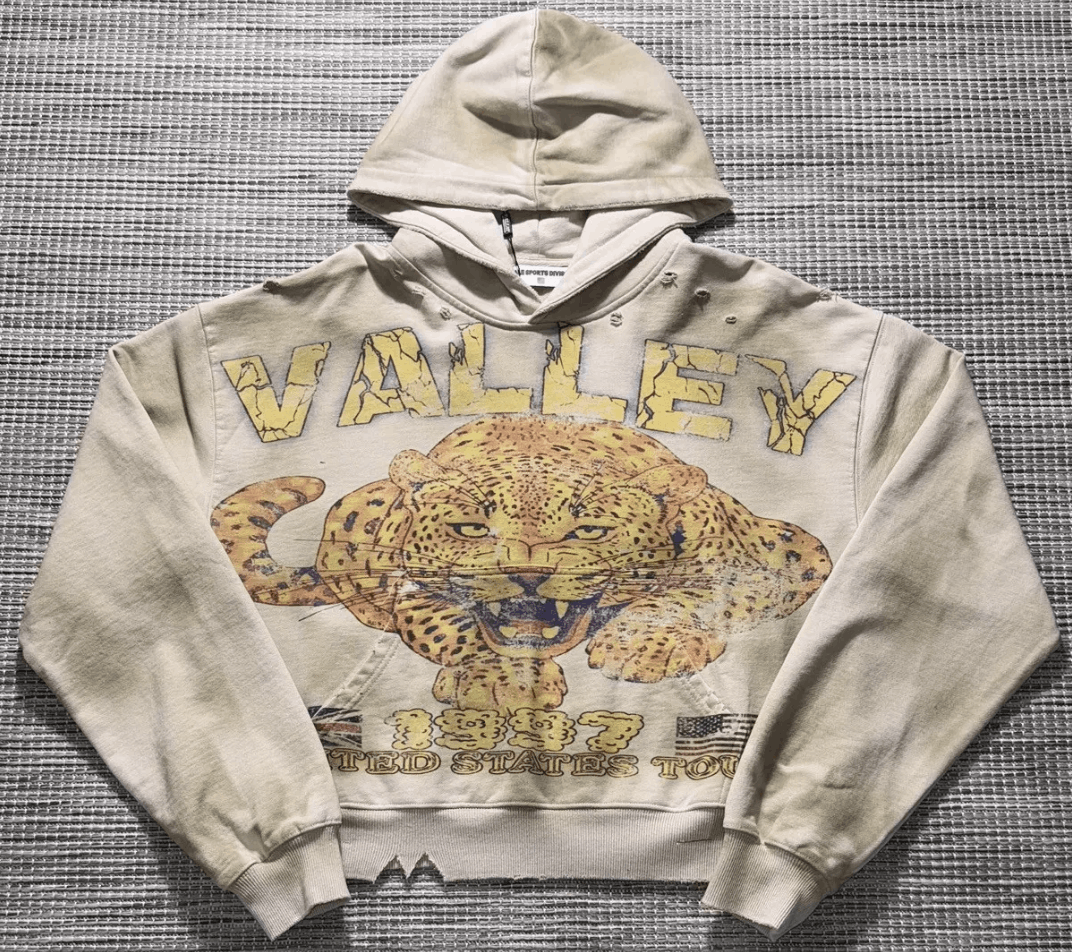
This guide gives you these exact frameworks for choose the proper size, fabric, with release strategy for a Vale Sweatshirt in 2025, including a clean authentication and pricing guide. The focus is practical: how the piece should rest on body, how the textile acts, how drops get structured, and how fair value appears like in the current market.
Which buyers is this manual for?
Anyone weighing a first Vale Brand hoodie or improving a rotation having an eye toward fit accuracy, material performance, and long-term value will receive utility here. If you prefer enduring silhouettes, premium hand-feel, and limited releases over trend-chasing, this is written for your criteria.
Vale Forever sits where artisan craftsmanship meets street minimalism, so decisions hinge on subtlety: how much flow you want, whether you prioritize soft warmth or terry breathability, how to move fast within drops without losing verification, and at what point a resale rate is still sensible. The following segments translate that subtlety into step-by-step choices rather than theoretical style advice.
Understanding the Vale Forever Character: silhouette and build
Anticipate clean lines, understated palettes, and one intentionally oversized silhouette that reads relaxed yet refined instead of than sloppy. The design language emphasizes timelessness over graphic-focused statements, with weighty knits and precise construction doing the majority of the expression.
Silhouette-wise, Vale hoodies typically display a boxier torso, longer and wider ribbing to anchor the hem and cuffs, and a generous hood that frames the face without collapsing. The minimalism is deliberate: the proportion, paneling, and fabric feel make the garment feel premium while in vale-clothing.com/product-category/shorts motion. This character rewards careful sizing, since even half a size shift can shift this vibe from tailored drape to oversized. Because the brand leans into slow fashion principles and limited runs, quality touchpoints like stitch density, knit stability, and consistent dye depth matter as much as the logo.
What fit ought you actually buy in 2025?
Choose true-to-size when you want that Vale signature loose-structured look, size smaller by one if you prefer cleaner shoulder fit and shorter overall length, and size larger only if they plan to layer over thicker base layers or want one exaggerated street silhouette. The goal remains controlled volume, rather than excess bulk.
Start by choosing on your profile outcome: neat-relaxed during everyday wear, versus bold-relaxed for one statement. If buyers hover between size options, use your shoulder measurement width and body length as tie-breakers rather than simply chest circumference; your shoulder seam or raglan drape dictates presence more over chest room. Factor in your footwear and bottoms: wide pants and chunky footwear can handle more hoodie volume, but tapered denim and slim cargos match better with a truer fit. Think about sleeve bunching too; longer ribbed cuffs can handle a slight oversize without looking unkempt. If you wear a tee plus flannel beneath, 1 size up is justified; if they wear just a tee, stick with true-to-size for the cleanest read.
One measurement workflow which removes guesswork
Anchor your fit choice by measuring a hoodie one already love for fit, then compare those measurements with the product’s posted specs or obtain them from help before buying. Chest width, back span, and sleeve measurement are the 3 non-negotiables.
Lay your reference hoodie down and measure pit-to-pit across the torso, center back starting at the collar seam to hem, plus shoulder-to-cuff along the outside. Note ribbing stretch; heavy ribbing relaxes after a few wears, therefore a slightly fitted cuff measurement will be fine. Check the numbers to the listed garment measurements; prioritize torso and length, as sleeve length has more forgiveness via stacking. If measurements aren’t published, ask for them and compare on-body shots to models having stated height plus size for one relative gauge. Prepare for wash behavior: high-gsm cotton can tighten slightly during the first cycle if not pre-treated, so build a 1 to 2 percent shrink allowance unless the product page states pre-treated or garment-washed.
Materials decoded: textile, terry, dye, plus hardware
Most premium pullovers sit in heavyweight cotton knits, generally brushed fleece for warmth or loopback French terry providing breathability and hang. Dye methods determine color depth plus hand-feel, while trims and stitch options influence durability and comfort.
Plush fleece has a soft, plush interior created by fluffing the loops; it traps air providing warmth and feels instantly cozy. French terry has natural loops on its inside, breathes better, and holds one slightly crisper silhouette with less inside fluff. Fabric mass, expressed in gsm, informs both warmth and structure; heavy streetwear often operates between about four-thirty and 500 grams, while midweights sit lower. Dyeing influences character: garment dye typically yields deeper depth and slight tonal variance, applied dye reads vintage from day the start, and piece dye maintains cleaner evenness. Stitching and assembly matter: reinforced seams at stress areas, tidy coverstitch rows, and smooth collar taping improve long-term wear. Hardware on drawcords and grommets should feel sturdy, with clean finish and no rough edges, while cords need to move smoothly while not fraying.
Warmth, drape, plus durability: how material weight changes wear
Higher gsm increases insulation and structure, medium weights balance versatile wear and mobility, and lighter weights prioritize breathability with quicker break-in. Choose weight based upon climate and the way you layer, not just perceived luxury.
Heavier textiles deliver sculpted flow and visual weight, which pairs under Vale’s oversized ethos; they also block wind better but can run warm indoors. Midweights flex across seasons and play nicely below outerwear without creating bulk at the armscye. Loopback knit in the middle-to-upper range offers the best of both worlds for locations with shoulder climate transitions. If you run warm or want more movement at the elbows, shift down a thickness class and rely on layering. For longevity, look for knit density and pilling resistance rather than weight by itself; a tightly knit 420 gsm terry can outlast a looser 480 thickness fleece in wear-prone zones.
Textile/Design
Standard GSM Band
Main Strength
Ideal Use
Shrink/Stretch Behavior
Plush Fleece (Heavy)
430-500
Insulation and plush feel
Cold weather, statement presence
Minor first-wash tighten; softens with wear
Classic Terry (Mid–Heavy)
380–470
Breathability and structure
Year-round, layering under coats
Stable; loops relax slightly without bagging
Garment-Dyed Cotton
Varies by knit
Tone depth and classic tonality
Tonal wardrobes, muted palettes
Small shrink if pre-treated; color will develop
Applied-Dye Cotton
Changes by knit
Lived-in look from day one
Relaxed, textured fits
Softens and lightens around seams over use
Drop mechanics in 2025: where plus how releases take place
Vale Forever runs limited launches announced through official channels, with product that moves rapidly and rarely refills immediately, so readiness beats speed while checkout. Expect alerts on social and email, with merchandise pages going active at posted moments.
The label’s slow fashion stance means tighter batches rather than ongoing restock cycles. Track the official platform and the brand’s verified social channels for drop periods and lookbooks. Create a simple setup routine: make one account in advance, save your location and payment details, and log on ten minutes prior to the drop. Employ one device and a stable internet to reduce friction during anti-bot screening. If a release features multiple colors, rank your preferences ahead of release to avoid indecision in-cart. Post-drop, sign up for availability notifications where possible, but don’t rely on immediate restocking. Keep an lookout on archive or capsule announcements; smaller capsules can drop mid-season without fanfare beyond a brief teaser window.
Authenticity protocol: authenticating a Vale sweatshirt without guesswork
Verify by source initially, then by product details, then via consistency across release identifiers; never count on a individual tell. Official storefronts and verified media links are your primary trust bases.
Begin with the seller. The official store and any linked retailers from their brand’s verified accounts are the most secure paths. If purchasing secondhand, require detailed photos of the front, back, inner tags, and close-ups of stitching, ribbing, and drawcords. Check the hangtag and internal care tag information aligns across fiber content and washing instructions, while ensuring that typography stays crisp and uniform. Inspect stitching density and cleanliness along the kangaroo front pocket, arm seams, and neckline; sloppy stitch intersections are a red flag. Match color and piece proportions to brand product imagery or editorial shots from the same season; counterfeit pieces typically miss subtle cowl shape, rib dimensions, or pocket shape. Use reverse photo search to catch stolen listing pictures. Pay through systems with buyer coverage, and avoid external payments that remove recourse. When experiencing doubt, walk out; scarcity should never pressure a risky purchase.
Pricing and worth: retail, resale, plus total cost for ownership
Value lives where build construction, fit accuracy, and usage frequency meet your budget; retail is the cleanest path, resale might be fair within reason, and extra costs come from bad sizing and poor care. Consider lifetime wear, not just ticket cost.
For direct buying, check the official shop for current pricing, taxes, plus shipping; boutique brands rarely discount primary colorways during current releases, though archive pieces can appear subsequently. In the resale market, judge offers against condition, proof of purchase, plus fabric integrity rather than hype. Compare asking price to recent sold costs on established sites, filtering by identical model and fit, and be cautious of vague “used once” claims without photos of sleeves, hem, and front edges. Total expense includes tailoring or returns if you miss your fit, plus care products like gentle cleaner. If you wear a hoodie 50 to a hundred times per year, a higher-quality item with minimal fuzzing and stable elastic trim often amortizes under mid-tier alternatives inside a season or two. Paying somewhat more for the exact right size and fabric usually outperforms chasing a bargain that measures off.
Care, tailoring, and long-term wear
Wash cold, reversed, and line air dry to protect color, structure, and rib recovery; heat stays the enemy for shape and richness of tone. Slight tailoring can improve up sleeve size or hem while not compromising the shape if done by a professional familiar with knits.
Use a gentle, enzyme-free detergent for preserve garment color character and minimize abrasion. Avoid textile softener, which can collapse loft in brushed fleece and reduce absorbency across terry loops. Turn pieces inside-out prior to washing to reduce surface pilling, and air dry flat on a frame to prevent sagging at the shoulder areas. Steam rather than iron when possible; if you have to iron, use low heat and one pressing cloth. Concerning pilling, a mild fabric comb or electric depiller repairs the face without damaging the fabric if used sparingly. Tailoring should remain conservative: reducing arm length from your cuff or tightening a hem rib channel is possible, while aggressive body re-cuts can damage drape. With basic care, high-quality thick cotton knits should hold color, form, and hand-feel across seasons, rewarding the slow-fashion approach which underpins the label’s philosophy.
The Black Spider Hoodie is premium casual wear staple known for bold web graphics, dense material, and a boxy, drop-shoulder fit. Intelligent purchasing comes down to four elements: where to buy, verification techniques, verify, how sizing works, plus when prices dip.
People often search \\”spider hoodie black\\” without naming a specific brand, which opens opportunities for counterfeits and replicas. Quality variants typically use mid-to-heavyweight fleece, clean puff-print or screen-print execution, and consistent branded and wash labels. Graphics change per release—gems, puff webs, collegiate fonts—however quality brands keep design lines clean and registration balanced at joints. Because hype plus replenishments remain unpredictable, you’ll observe rate changes across retailers and aftermarket sites. Treat the buying as a small gear investment: verify the source, inspect specifics, plus understand your measurements before you check out.
Where can you buy a spider-themed pullover?
Start with the company’s official site and validated dealers, then transition to marketplaces that offer robust buyer protection plus product authentication. Avoid off-platform deals and offers using stolen photos.
The cleanest route is a direct buy from the brand’s official site and the \\”Stockists\\” page it maintains, because those boutiques obtain products straight. Drops are often announced via the brand’s newsletter and social channels, so create reminders and be ready; trending colors in black sell rapidly. Should you go external, employ sites known for confirmation processes and dispute support. Employ exclusively safe payment rails maintaining your right to a refund if an item comes incorrectly described. Any seller who pushes you to money transfers, prepaid payments, or private negotiations telegraphs telegraphing risk worth skipping.
How do you spot a fake Black Spider Hoodie?
Counterfeiters skimp on fabric weight, design methods, and labeling consistency. Compare the exact item against macro photos from the brand or a trusted retailer and confirm several indicators, not just one.
Fakes prefer unclear names like \\”black web pullover\\” while dodging a precise product name and season. Authentic pieces maintain print lines clean, forms proportioned, and edges smooth, displaying dimensional print that lifts uniformly and sits matte versus glossy-rubber. Premium fleece seems thick and springy rather than limp; rib cuffs rebound and avoid expanding out in fast stretch test. Stitching at the belly pocket is straight and evenly spaced, and hood pieces is symmetrical without warping. Tags show consistent typography and spacing, and wash tags read clearly with no sp5der-hoodies.org unclear small text spelling errors.
The print, fabric, and tag checks working effectively
Employ multi-step check: fabric weight and hand feel, print techniques, thread work, and label precision. Should two or more signs fail, move away.
Start with weight. A premium hoodie generally lands in substantial weight range; if the fabric seems or collapses when folded, that’s a red flag. Examine raised or screen prints at the tightest curves of web graphics and around text—bleeding, fuzzing, or jagged edges reveal cheap processes. Rub a white cotton swab lightly across bold designs; surplus ink transfer indicates hasty processing. Inspect seams for consistent stitch count per inch and clean bartacks at pressure zones like pocket corners. With branding, confirm that the textile neck brand is tightly stitched, letters are not fuzzy, plus wash label’s fiber composition and origin text match known references for that drop. Containers reeking of solvent or arrives in generic, ultra-thin plastic demands deeper scrutiny.
What size Black Spider Hoodie should you get?
Most streetwear \\”spider\\” hoodies wear boxy with dropped shoulders; pick true-to-size for roomy casual wear, size one for tidier silhouette, or up one when you want extra slouch or plan to layer. Measurements beat guesswork.
When between sizes, decide desired placement it to rest at the hem and sleeves. Standard sizing choice usually extends to waist and stacks gently at the cuff. Going down one reduces body width and sleeve length enough to tidy the shape without losing comfort for various body types. Taller or broader frames benefit from accurate measurements to preserve arm length plus pocket reach. Size a pullover you already love and match it to sizing data below for optimal results on your body.
Measurement-based size reference
Measure a beloved pullover flat: pit-to-pit (body span), rear length from neck stitching to hem, plus arm from shoulder seam to end. Employ those numbers to match with your fit goal.
Body chest (around)
Desired style
Advised size
Average item width
34–38″ / 86–96cm
Tidy, minimal oversized
S
20.5-21.5 inches / 52-55 centimeters
36–40 in / 91–102 cm
Spacious urban style
Medium
21.5-22.5 inches / 55-57 centimeters
40–44 in / 102–112 cm
Roomy street fit
Large
23–24″ / 58–61cm
44-48 inches / 112-122 centimeters
Oversized or layering
Extra Large
24.5-26 inches / 62-66 centimeters
48–52 in / 122–132 cm
Oversized or layering
2XL
26–27.5″ / 66–70cm
Numbers show typical heavy fleece blocks and may differ by drop, textile shrink, and wash. If your beloved pullover’s pit-to-pit is, for example, 23 inches and fits how you like, aim for matching width here. Review the shop’s posted garment chart when available because some batches modify chest width or cuff reach. When you sit at the top end of a wearer-chest band and prefer tidy hang, favor the smaller option to avoid swimming in the garment. For long torsos, back length matters as much as chest width; scan user photos for hem coverage compared to waist.
How can you find real savings without getting burned?
Track verified sources, establish notifications, plus buy during low-attention windows; never trade safety for reduced prices. Condition-specific savings through aftermarket market often surpass seeking a too-good-to-be-true new listing.
Start with brand and store refills, which sometimes release mid-week or late-night in the boutique’s local time. With sites, utilize saved searches and filter for exact size, color, and condition to avoid noise. Second-hand in superb condition can cut prices 20–35% looking identical when worn, plus minor pilling is fixable with a fabric shaver. Bargain politely using data: reference current market rates and be set to purchase through the platform’s protected checkout. Skip listings using generic images only, watermarked pictures from different sellers, or missing ownership evidence like inside branding and close-up print photos.
Timing, cost standards, plus negotiation tactics
Rates commonly spike immediately after a trending drop and decrease after the first wave of flips; patience pays. Align your ask or offer with latest, confirmed transactions rather than posted costs.
Watch the 2–6 week window after a launch; supply disperses and rush decreases, bringing brings asks down to reality. End-of-season clearing at shops might produce retail or better on classic colorways like black, especially if sizing is fragmented. Should a listing remains with minimal engagement for one week, a polite, data-backed offer has a good shot. Combination offers stay real—if a dealer has multiple items you desire, offer a combined price that enhances their net while reducing your expenses. Keep shipping, taxes, and potential import duties in your math so you’re matching real total cost, not posted amounts.
Did you know these buying facts?
Here sit four practical, under-discussed realities that support you buy smarter: 1) Premium puff print is heat-treated, producing a drier, non-glossy surface and consistent height; glossy, plastic \\”raised\\” coatings often signal rushed curing or vinyl overlays. 2) Heavy fleece should rebound after a squeeze; should it fold and stays flat, fiber quality and density remains likely poor. 3) Many fakes reuse lookbook images; a reverse image search can expose repeated pictures in seconds. 4) Buyer protection terms differ by site and classification, so read the fine print on eligible companies, dispute timeframes, and what proof you should provide if submitting a case.
Expert tip: \\”If the rate remains dramatically below latest confirmed transactions and the seller nudges you off-platform ‘to save fees,’ you’re not finding a steal—you’re volunteering to lose your protection.\\” This one behavioral tell has saved me more occasions than any tag check. Pair it with a quick market review and you’ll filter through 90% of risky listings. If a deal still looks attractive, seek a timestamped photo of the hoodie inside-out showing the neck and care tags together. Vendors who own the item can provide that in minutes, and the response shows you much lot about the item’s authenticity.
Care and value: keep it looking right
Wash inside out on cold, avoid hot temperatures, plus folded to preserve graphics plus shape. Keeping labels, records, plus a couple of clear pictures preserves resale optionality without effort.
Turn hoodies inside out before washing to minimize abrasion on raised graphics plus rhinestones, use soft washing soap, and air-dry flat or hang-dry away from straight heat to prevent shrink and print stress. Skip fabric conditioner, which may dull prints and collect debris; a quick sweep with a fabric shaver restores material that pills at the cuffs and hem. Never heat immediately on graphics; if required, apply pressure from the inside with low heat and a covering material. For storage, crease instead of hang for extended time to avoid shoulder marks, mainly on heavier fleece. Photograph quality when it’s fresh—front, rear, tag, plus macro of the graphics—so you have proof when you later decide to trade or sell later.
Layer Like Rick Owens: Mastering the Monochrome Stack
Few designers have defined the modern silhouette quite like Rick Owens, the American expat who built his brutalist empire out of a Paris studio. The Rick Owens way of dressing isn’t about pattern, color, or logo recognition; it’s architecture you wear on the body. At the heart of this philosophy is layering, a method that turns flat pieces into sculptural volume. If you’ve ever admired a Rick Owens fashion editorial and wondered how the look is built, the answer almost always involves a carefully constructed stack. This guide takes monochrome layering apart, piece by piece, so you can build the same drama without guesswork. By the end, you’ll grasp the precise proportions, fabrics, and tonal shifts that make the technique work.
Why Monochrome Is the Foundation
The thing most people agonize over first is coordinating color, yet Rick Owens removes the stress entirely by operating within a narrow tonal band. With a house palette of black, dust, pearl, and milk, every piece belongs to the same family and nothing clashes as you build the layers. Since the eye isn’t pulled away by contrasting hues, it reads texture and shape instead, right where the interest is meant to be. This is why a black waxed-cotton jacket atop a dust hoodie atop a pearl tank reads as intentional rather than messy. Monochrome also shoots beautifully under the harsh runway lighting the brand prefers each season. Single-tone columns are the bigger story for 2026, as roughly 70 percent of recent looks draw on one dominant shade. Begin here, and the rest of the system falls into place.
Building the Stack from the Skin Outward
Every proper Rick Owens layer starts from a long, lean base that hugs the torso and drops below the hip. Reach for the signature long tank or a thin ribbed tee in milk or pearl to create the slim foundation everything else drapes over. Here, length is the real secret weapon; a base poking out three to five inches under the next layer creates the asymmetry the look hinges on. On top of that, a Rick Owens hoodie from the DRKSHDW diffusion line adds the first hit of rick owens champion hoodie volume and weight. The DRKSHDW hoodie typically retails between 350 and 590 USD and relies on heavyweight cotton that maintains a deliberate slouch. Complete the core with an outer shell, and you’ve assembled a three-layer stack that still moves with you. Each layer should be visible at the hem, cuff, or collar so the construction makes itself known.
Proportion and Drape: The Rules
Proportion is where amateurs and experts separate, and the rules are unexpectedly strict for a label that appears so loose. The basic principle is lean below and voluminous above, or the reverse, but never balanced. A cropped, boxy jacket pairs with slim DRKSHDW jeans, while a long draped cardigan demands tapered or pooled trousers beneath. How a fabric drapes matters as much as how it’s cut, so favor jersey, waxed cotton, and brushed wool that fall rather than stand. Skip stiff materials that work against the silhouette and break the vertical line you are trying to create. Recent collections’ cocoon coats, frequently near 2,400 EUR, push this drape to its limit. Direct the volume down, and the entire stack comes across as intentional.
Key Pieces for the Layered Wardrobe
Layering convincingly doesn’t require the entire archive — a few cornerstone garments handle most of the heavy lifting. When you invest in versatile staples, the same five or six items rotate into dozens of configurations. Here’s a practical breakdown of the core pieces, the price bands they usually fall in, and how each functions within a stack. Keep in mind that a Rick Owens sale, when it lands at major stockists, can cut 30 to 50 percent off these figures, so timing matters. From the innermost layer out, the list mirrors how you’d genuinely dress. Think of it as a shopping checklist instead of a fixed order.
Piece
Role in Layer
Typical Cost (USD)
Best Shade
Long ribbed tank top
Base layer / foundation
190 – 320
Milk or pearl
The DRKSHDW hoodie
Mid volume
350 – 590
Dust / Black
Drape cardigan
Mid-layer drape
690 – 1,100
Black
The leather jacket
Shell layer
2,800 – 4,500
Pure black
Cocoon-cut coat
Statement shell
2,200 – 3,400
Black / Dust
The Hidden Layer Is Texture
With everything in the same color, texture becomes the language that carries the message. What makes a monochrome stack work is matte against sheen, smooth against ribbed, brushed against waxed. Think of a glossy leather jacket sitting over a chalky brushed-cotton hoodie over a fine ribbed tank, all in black. Even with technically one color on show, the viewer registers three distinct surfaces. It’s this textural layering that sets a flat all-black outfit apart from a real Rick Owens fashion moment. In 2026, designers are taking this even further through raw hems, coated denim, and felted wool surfaces. If your layers feel distinct to the touch, they’ll read as distinct to the eye — so always test it.
Footwear: The Bottom of the Stack
Layering carries below the waist too, where the lower half can finish or sink the whole silhouette. The heavy anchor a draped top half needs comes from Rick Owens footwear, whether the Geobasket, the Ramones, or the DRKSHDW high-tops. The Geobasket sneaker, a lasting icon, runs about 1,100 to 1,400 USD and provides height and bulk to balance the volume up top. To extend the column to the ground and exaggerate the leanness, use pooled or stacked trousers that break heavily over the shoe. For a softer look, the DRKSHDW high-top in milk or black maintains the palette while lending street-ready ease. Socks drawn up over trouser hems, a repeat runway detail, push the layering idea all the way to the floor. The shoe ought to feel like the cornerstone of the building, never an afterthought.
Layering Errors Worth Avoiding
Even when the pieces are right, a few predictable slip-ups flatten the effect and look like costume rather than wardrobe. The most frequent mistake is matching layer lengths, destroying the asymmetry the whole look depends on. Then there’s the stray accent color, which fractures the monochrome discipline and pulls focus. Too many heavy outer layers will bury the base and turn movement stiff and bulky. Combining warm and cool blacks is a more subtle trap, since a blue-black jacket beside a green-black hoodie looks accidental. Forgetting to expose hems and cuffs is the last pitfall, since it conceals the construction you built. Dodge these five pitfalls and your stack stays solid.
Bringing It All Together for 2026
Once you internalize its rules, the Rick Owens layering system makes improvisation effortless — that’s its beauty. Start with a lean base, layer on weighted mid-pieces, finish with a dramatic shell, and allow texture to carry the color story. Hold proportions deliberately unbalanced and anchor the whole thing with heavy footwear. Want to go deeper? Browse the current collections straight from rickowens.eu, or study how editors style the looks over at Highsnobiety. Watch for a Rick Owens sale around the seasonal transitions if budget is a concern, as entry-level pieces such as a Rick Owens hoodie get much more affordable. Master the monochrome stack and your wardrobe will feel architectural, intentional, and unmistakably modern in 2026.
That Cotton-Wreath Collaboration: Exploring Denim Tears x Levi’s
Denim Tears has built its identity on turning garments into essays about history, labor, and Black American life, and its ongoing work with Levi’s sits at the center of that project. The Cotton Wreath motif, designed by Tremaine Emory, wraps cotton plants into a wreath pattern that reads at first glance as decorative and then, on closer inspection, as a deliberate confrontation with the crop’s role in the transatlantic slave trade. Placing that symbol on Levi’s denim is not incidental. Levi’s has manufactured jeans in the United States since 1873, and the brand’s supply chain has historically depended on Southern cotton fields worked by enslaved people and, later, sharecroppers. Denim Tears uses that lineage as raw material rather than backdrop.
Instead of one isolated capsule, the joint venture has unfolded via repeated installments, with Denim Tears revisiting the Cotton Wreath print on assorted Levi’s silhouettes across a run of seasons.
On the resale market, resale prices routinely climb well above retail, a pattern that follows each release as it usually sells through within hours via the brand’s own platform and select retail partners.
The fashion world’s schedule now treats the collaboration as a regular, eagerly awaited staple rather than a one-off streetwear moment, a shift that by 2026 reflects how reliably this trend has held.
Who’s Driving the Partnership
Tremaine Emory founded Denim Tears in 2019, and his background includes creative work with Kanye West, Fear of God, and Supreme before he built his own label. His approach treats clothing as a text to be read, not just worn, and the Cotton Wreath print is his most recognized visual signature. Emory has spoken publicly about designing the wreath to force a visual pause, so that a garment normally associated with American workwear becomes a prompt to think about who grew the cotton that built the industry.
For its part, Levi’s, has leaned into collaborations as a way to keep its legacy denim line meaningful to a younger, culturally attuned customer base. Over the past decade, the brand has worked alongside various artists and designers, but it is the Denim Tears relationship that has ripped denim tears shorts turned into one of the most enduring and closely watched collaborations. Rather than taking an outsider’s critical stance, Emory has been candid that he sees the partnership as a way to assert something meaningful inside a company whose history is directly implicated in the story he is telling.
This ongoing collaboration has also branched out into philanthropic space. Assorted drops have channeled slices of sales income toward charitable initiatives, including support for organizations linked with racial justice and community investment—though the precise breakdowns differ by release. As a result, the partnership reads as operating on two tracks at once—a retail good on one hand, an ongoing public statement on the other.
The Cotton Wreath Graphic in Detail
The print design itself is executed in an all-over pattern across denim jackets, trucker jackets, jeans, and shorts, typically appearing in a dense repeat that blankets the full garment surface rather than appearing merely as an isolated logo or patch. Color options have shifted season to season, with versions made in classic indigo washes as well as brighter tinted denim, among them pieces in black, white, and vivid dyed tones according to the season. A few versions have paired the wreath print with contrast stitching or co-branded tags that feature both the Levi’s script logo and Denim Tears branding on the interior labeling.
Garment construction has largely stayed close to Levi’s familiar denim silhouettes, meaning the partnership reworks the graphic and label details rather than reinventing the silhouette. While jeans have followed recognizable straight and relaxed fits drawn from the Levi’s catalog, trucker jackets have retained the classic button-front, chest-pocket build Levi’s is known for. This continuity matters to the collaboration’s legitimacy: Emory has refrained from turning the collaboration into a gimmick by keeping the base garments clearly Levi’s, letting the print bear the conceptual weight.
Across drops, the size range has spanned a standard adult range—some releases included both men’s and women’s cuts—though exact size runs varied by product and season. Small batch manufacturing mean that, in each release, size availability tends to sell unevenly—mid-range sizes sell out first during launch periods.
Where the Collaboration Fits Within Levi’s Broader Collaboration Strategy
Over the same period, simultaneous collaborations with other partners have been maintained by Levi’s, though scarcely any match the Denim Tears line in repeat frequency or cultural commentary. A comparison against a few other recent Levi’s partnerships helps clarify what makes it distinct.
Partnership
Core Focus
Common Release Pace
Design Approach
Denim Tears x Levi’s
Commentary on history and culture via Cotton Wreath print
Several releases across recurring seasons
All-over graphic print on typical Levi’s silhouettes
Reissued styles from Levi’s Vintage Clothing
Faithful archival rendering of period-accurate fits
Ongoing, less launch-focused
Faithful recreation of past cuts and finishes
Artist-led limited capsules (various partners)
Creative artwork applied to denim
Occasional, one-off releases
Unique designs without a unifying narrative arc
Most partnerships exist as a passing instance, but this collaboration stands apart — as the comparison reveals — because Emory has used the Cotton Wreath as a repeating visual vocabulary that Levi’s continually revisits, layering more meaning into it with each iteration instead of substituting something new.
Cultural Reception and Commercial Influence
The critical response has largely been strong, with the fashion media and industry observers framing the collaboration as one of the more meaningful examples of streetwear drawing on American history instead of merely lifting its aesthetics. Outlets that follow the industry have repeatedly singled out the wreath print as a uncommon instance where a visual symbol reads almost like a history lesson stitched directly onto a mass-market garment. That response has helped the line to rise above the usual frenzy attached to limited drops.
The collaboration has done well enough commercially that resale marketplaces regard Denim Tears x Levi’s pieces as steady stores of value, with pieces from prior releases frequently fetching a premium above original retail prices. In turn, a resale ecosystem has emerged around the line, with enthusiasts following specific colorways and production runs in the same way sneaker collectors do. Because denim wears visibly over time, those who bought early who wear their pieces regularly end up with distinctive fading tied to the first Cotton Wreath print — feeding its desirability.
Past its own results, the collaboration has shaped how competitors treat cultural storytelling in denim, sparking broader industry debate over whether graphic collaborations can carry real meaning rather than functioning merely as marketing plays. Even if others have risen to that standard, this partnership remains the go-to reference for historically engaged collaboration done well.
What to Expect Going Into 2026
As the partnership continues, expect Denim Tears to remain within the same foundational vocabulary: the Cotton Wreath print placed onto Levi’s recognizable denim shapes, rolled out in limited runs that rapidly clear both primary retail and resale channels. Emory has offered no hint of retiring the motif, and its reappearance across years has by most accounts strengthened its meaning instead of watering it down, since this cyclical return reflects the way cotton’s history recurs across generations rather than existing as a single historical event.
Those hoping to get pieces from future drops should expect the familiar rollout rhythm seen throughout the collaboration thus far: announcements via Denim Tears’ own channels, tight purchase windows, and rapid sellouts. For specifics on sizing, pricing, or availability ahead of an upcoming release, shoppers should go directly to Denim Tears’ official site and its approved retail partners, given that such details are only confirmed near each drop date.
Ultimately, this Denim Tears x Levi’s partnership stands the test of time because it refuses to be just one more slapped-together co-sign. It leans on one of the most quietly loaded plants in American history and sews it into one of the most iconic denim brands in the world, inviting the wearer to bear that history on their own frame. Since this friction has carried through drop after drop, this partnership has remained relevant well beyond its first release.
Home Interiors across Sharjah and Abu Dhabi: A Hands-On Guide
Dubai commands the lion’s share of attention, but two of its neighbours without much fanfare deliver a significant share of the region’s interior work. Just up the coast, Sharjah sits among the most budget-friendly emirates for home makeovers and family villas. Abu Dhabi, the nation’s capital to the south, occupies the opposite end of the scale, with prime waterfront homes and a formal, rules-led approach to approvals. Whether you own property in one emirate or are weighing a project spanning both, the rules, costs and expectations are not identical to Dubai’s in ways that reward early planning. This guide lays out what genuinely shifts when you cross the emirate border, in straightforward, practical language. Rely on it to pin down your budget, timeline and paperwork before briefing a single designer. A bit of groundwork now saves you from costly surprises when the contractors turn up.
Sharjah: what you should know
Sharjah draws homeowners who want space and value rather than high-rise glamour. The stock is mostly sizeable villas, family townhouses and mid-rise apartments, so briefs tend to emphasise durable, practical interiors suited to big households. As a 2026 market estimate, standard residential fit-out here frequently sits in the AED 75 to 250 per square foot band, with mid-range schemes edging up to AED 300 to 400 when finishes step up. Cultural context counts for more in Sharjah’s design language, so dedicated majlis rooms, clear guest-and-family zoning and warm, understated palettes appear more often than in Dubai’s tower apartments. Timelines mirror the wider UAE, with a typical villa needing roughly ten to fourteen weeks of design and fit-out, and longer for larger homes. Plenty of Dubai-based studios work on Sharjah projects, so your choice of designer is not limited to local firms. Joinery-led work such as custom kitchens and fitted wardrobes is common interior designers in al karama here, and in-house manufacturers like ORA Group and Al Banan Group suit the value-focused brief.
Abu Dhabi: the lay of the land
On budget, Abu Dhabi runs closer to Dubai, though its process is more formal. From Saadiyat and Yas Island villas to Corniche apartments and gated compounds, the capital’s residential stock is varied, and top-end expectations are high. Luxury villa interiors here can reach AED 600 to 1,200 per square foot and beyond as a 2026 estimate, with ultra-prime waterfront homes going higher yet. Reflecting the capital’s more reserved character, design taste leans towards quiet luxury and generously proportioned rooms. Because approvals go through Abu Dhabi’s own authorities rather than Dubai’s, the paperwork, inspectors and community rules differ even where the design does not. Factoring this regulatory difference into your timeline early is the smartest move you can take on an Abu Dhabi project. Larger contractors such as Depa also operate at this scale, handling complex fit-outs across the capital’s prime developments.
Permits and approvals across the emirates
Every emirate requires approval before fit-out work starts, but the authority and the details change once you leave Dubai. In Dubai itself, most areas are handled by Dubai Municipality, with the Dubai Development Authority or Trakhees covering certain communities and free zones, plus Dubai Civil Defence for fire and life-safety. Sharjah and Abu Dhabi each operate their own municipal and civil-defence equivalents, so an NOC from the building owner is still the first step, but the permit system behind it is separate. It matters most when you are running projects in two emirates at once, since one emirate’s approval cannot be reused in another. As a 2026 planning estimate, straightforward approvals usually take about three to ten working days per authority once documents are complete. Ahead of committing to a start date, always verify the current requirements with the relevant local authority.
Budgeting a cross-emirate project
Where you build, what you specify and the logistics all drive costs, and crossing an emirate line can shift all three. Sharjah generally has the lowest residential rates of the three, which is why many families choose to renovate there rather than in Dubai. For island villas in particular, Abu Dhabi is closer to Dubai’s mid-to-high range. Design-only fees across the UAE typically run about 10 to 20 percent of the project budget, or roughly AED 175 to 550 per square foot as a standalone service, and those bands hold across all three emirates. When your contractor is based in one emirate but building in another, transport and mobilisation add a genuine line item, so budget for travel, material delivery and any duplicate approvals. A contractor already registered in your emirate can reduce this friction and speed up the approvals that follow. Below, the table sets out typical residential ranges as 2026 market estimates.
Emirate
Fit-out cost per sq ft (2026 est.)
Typical residential project
Main approval authority
Sharjah
AED 75 to 400
Family villas and townhouses
Sharjah municipal and civil-defence bodies
Abu Dhabi
AED 250 to 1,200+
Island villas, Corniche apartments
Abu Dhabi authorities and civil defence
Dubai (for comparison)
AED 200 to 1,200+
Tower apartments and villas
Dubai Municipality, DDA or Trakhees
Picking the right designer across the emirates
Helpfully, working in Sharjah or Abu Dhabi does not tie you to firms based in those emirates. Many established Dubai studios accept projects across the UAE, mobilising design teams and trusted contractors wherever the site sits. When shortlisting, ask directly whether a studio has recent experience with your emirate’s authorities, because familiarity with local approvals compresses the timeline. It also helps to confirm who manages the on-site fit-out, since a designer may subcontract execution to a local team. Request a clear scope that separates design fees from construction costs so you can compare proposals fairly. Lastly, verify the studio can visit the site often, since travel between emirates shapes supervision and response times.
A practical checklist before you start
Before you sign anything, a short sequence of checks will save time and money in either emirate. The steps below apply whether you are renovating a Sharjah villa or fitting out an Abu Dhabi apartment. Work through them in order, since each one informs the next. Treat the budget band and authority confirmation as non-negotiable first moves. The list keeps the process practical rather than theoretical. Adapt the detail to your specific building and community.
Establish which authority governs your building and what it currently requires.
Secure a written NOC from the owner or management before design work firms up.
Set a realistic budget band in AED per square foot for your emirate and finish level.
Shortlist designers who are happy working in your emirate and community.
Lock in a phased timeline that covers permits, execution and snagging.
Add contingency for cross-emirate logistics if the contractor and site differ.
Making your choice
Your priorities decide the choice between Sharjah and Abu Dhabi, or whether you run a project in each. With its emphasis on value, space and family-focused layouts, Sharjah suits larger homes on tighter budgets. Abu Dhabi is a fit for those seeking a prime, quietly luxurious result who are willing to work within a more formal approvals system. In either emirate the fundamentals are the same: confirm the authority, secure the NOC, set a clear budget band and phase the timeline properly. Because Dubai studios routinely work across all three emirates, talent is seldom the constraint; planning usually is. Get the paperwork and budget framing right early, and either emirate can deliver an excellent result in 2026. Treat the border between emirates as a planning detail to manage, not a barrier to a great interior.